Trade-Up Contracts Explained
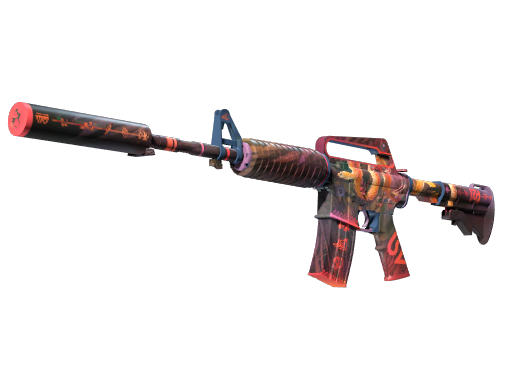
How a trade-up works
You put ten skins of the same rarity into the contract and receive one skin of the next rarity higher. The ten inputs must all share that rarity tier, and the output is drawn from the collections your inputs belong to. This lets you aim for a more valuable or specific skin you cannot easily buy.
Understanding the probabilities
The result is not guaranteed. The outcome is weighted by how many eligible skins each contributing collection offers at the target rarity. If most of your inputs come from collections with few desirable outcomes, your odds of a good result drop. The output float is also calculated from the average float of your inputs, so cleaner inputs tend to produce a cleaner result.
Calculating value and odds
Before committing, work out the expected outcome rather than guessing. Our trade-up calculator helps you combine collections, see each possible output, and estimate the chance of each. Compare the cost of ten inputs against the realistic value of the likely outputs.
Common strategies
Some players run guaranteed trade-ups, where every possible output is worth more than the inputs, aiming for consistent small gains. Others take calculated risks for a high-value target. Either way, treat it as a cost-versus-outcome decision and never assume a profit.
Pitfalls to avoid
Mixing rarities is impossible, and mixing collections changes your odds in ways that are easy to miscalculate. Account for marketplace fees when valuing both inputs and outputs, and remember that a rare, expensive-looking output may still be a small fraction of the total possibilities.
Frequently Asked Questions
How many skins does a trade-up need?
Exactly ten, and all ten must be the same rarity. The contract returns one skin of the next rarity up.
Can I guarantee a specific skin?
Only if every possible output of your chosen inputs is the same skin or set you want. Otherwise the result is random among the eligible outputs.
How is the output float decided?
It is based on the average float of your ten input skins, so using lower-float inputs generally yields a lower-float output.
Can I lose money on a trade-up?
Yes. If the inputs cost more than the realistic value of the likely outputs, you can lose money. Always calculate first.
Where can I estimate the odds?
Use our trade-up calculator to combine collections and see each possible outcome with its probability before committing skins.