Paint Seeds and the Pattern Index
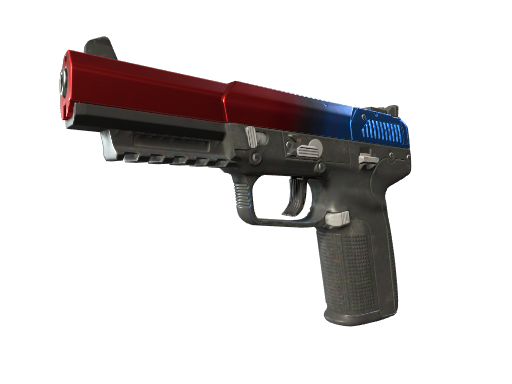
What a Paint Seed Is
When a skin is created, the game assigns it a paint seed, a number typically between 0 and 1000. That seed controls how the finish's texture is rotated and positioned on the weapon, producing the exact look of that individual copy.
The paint seed is separate from the float value, which controls wear. Two copies can share a float but have completely different patterns because their seeds differ.
When the Seed Matters
For most skins, the seed makes little or no visible difference, so you can ignore it. It becomes important on randomized finishes where the texture is placed differently each time.
These include Case Hardened, Fade, Marble Fade, Doppler, Crimson Web and Slaughter. On these, the seed can swing a copy's value dramatically.
The Playside Concept
Because you mainly see one face of the weapon in game, collectors care most about what the seed places on that visible side, the playside. A desirable pattern on the playside is worth far more than the same pattern on the backside.
This is why blue gems, Fire & Ice and full webs are all judged by what sits on the face you actually see.
Checking a Seed
Steam does not display the seed in a friendly way, so collectors use third-party pattern checkers. These read the seed from the item's inspect link and compare it to community tier lists for that finish.
Our inspect link guide explains how to pull up the exact copy before buying.
Using Seeds When Buying
If you are buying a randomized finish, decide whether you want a specific tier seed or just a copy you like by eye. Chasing a top seed costs much more, while an attractive non-tier copy can be a bargain.
See our guides on Case Hardened and fade percentage for finish-specific detail.
Seeds and Resale Value
A good paint seed can make a copy easier to sell and command a premium, but it also narrows the pool of interested buyers, which can mean slower sales. A plain copy is cheaper and typically more liquid.
When judging whether a seed is worth the extra cost, look at how similar copies have actually sold. Our price history guide explains how to read that data.
Frequently Asked Questions
What is a paint seed?
It is a number, usually between 0 and 1000, assigned to each skin that controls how its texture is rotated and placed on the weapon. It sets the exact pattern of that individual copy.
Is the paint seed the same as float?
No. Float controls wear and condition, while the paint seed controls pattern placement. Two copies can share a float but look very different because their seeds differ.
Does the seed matter for every skin?
No. For most skins it makes little visible difference. It matters on randomized finishes like Case Hardened, Fade, Marble Fade, Doppler, Crimson Web and Slaughter.
What is the playside?
The playside is the face of the weapon you mainly see in game. A desirable pattern on the playside is worth far more than the same pattern on the hidden backside.
How do I find a skin's seed?
Use a third-party pattern checker that reads the seed from the item's inspect link and compares it to tier lists for that finish. Steam does not show it in a convenient form.